

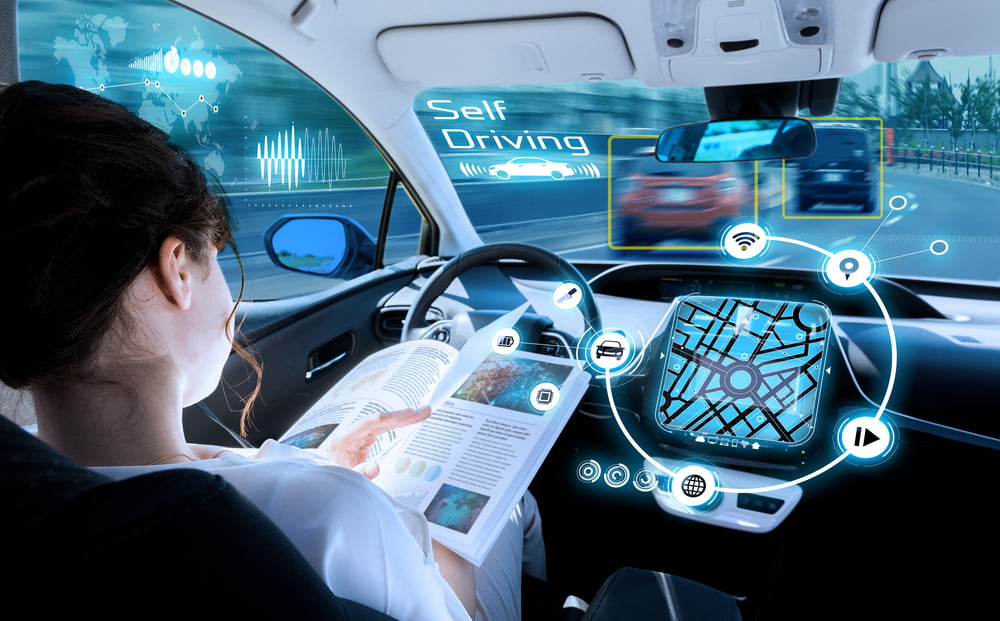
Autonomous driving, also known as self-driving or driverless technology, refers to vehicles capable of navigating and operating without human intervention. This groundbreaking innovation in the automotive industry is poised to revolutionize transportation as we know it.
Buckle up for a journey into the future of transportation with autonomous driving technology. From cutting-edge advancements to regulatory challenges and urban planning impacts, get ready to explore the driverless revolution.
This article delves into the transformative impact of autonomous driving technology on transportation, covering technological advancements, safety regulations, urban planning implications, and the challenges and opportunities ahead in the driverless revolution.
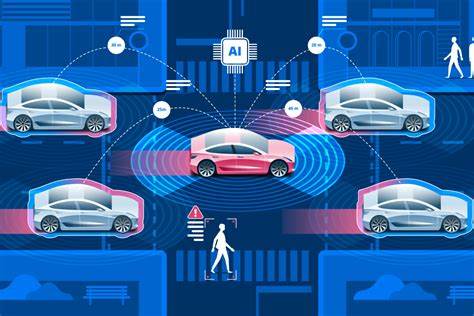
While the future of autonomous driving holds immense promise, it also presents challenges. Concerns regarding cybersecurity, ethical dilemmas in decision-making algorithms, public acceptance, and the integration of autonomous and human-driven vehicles are among the key challenges that require careful consideration and solutions. However, the opportunities for innovation, sustainability, and enhanced mobility are vast, paving the way for a future where autonomous driving plays a central role in transportation ecosystems.
Are you ready for the future of autonomous driving? The evolution of self-driving technology is poised to revolutionize transportation, ushering in an era of safer, more efficient, and interconnected mobility solutions. Join us as we explore the latest advancements, challenges, and opportunities in the exciting world of autonomous driving.
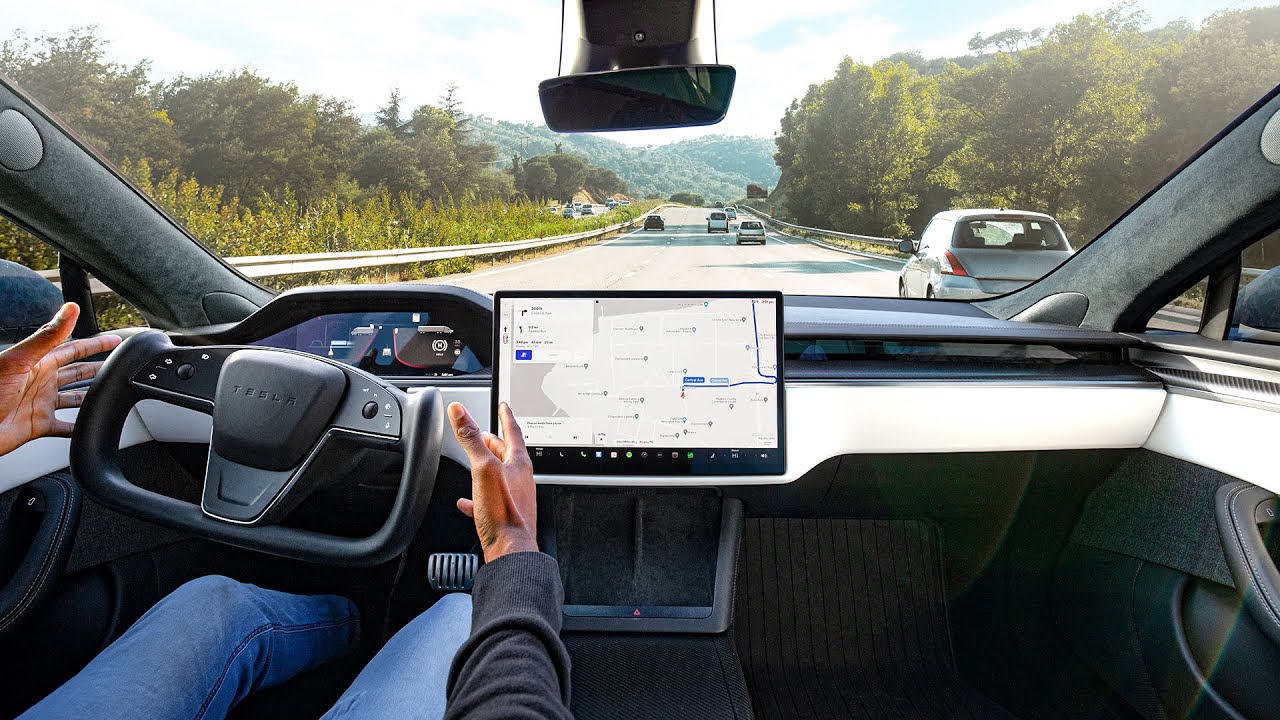
Safety is paramount in the realm of autonomous driving. Robust safety protocols, rigorous testing, and adherence to regulatory standards are essential to ensure the reliability and trustworthiness of autonomous vehicles. Regulatory bodies and industry stakeholders collaborate to establish guidelines and protocols governing autonomous driving systems.
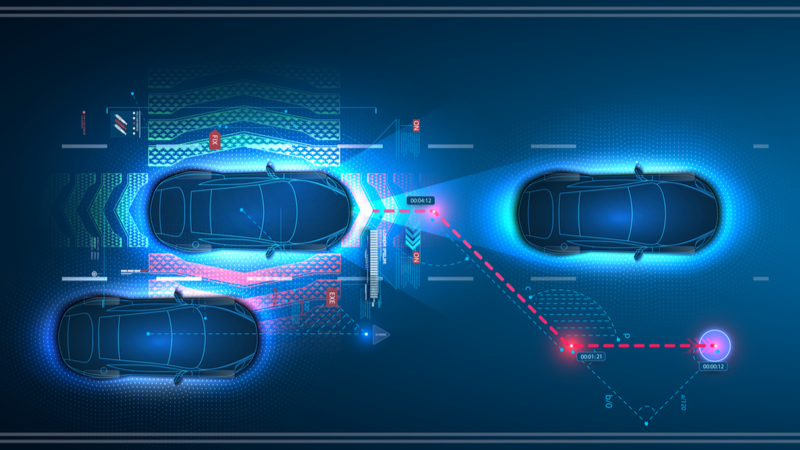
Advancements in sensors, artificial intelligence, machine learning, and connectivity have propelled the development of autonomous vehicles. From lidar and radar systems to sophisticated algorithms, these technologies enable cars to perceive their surroundings, make decisions, and navigate complex road environments autonomously.
 John Crystal


Aliqu justo et labore at eirmod justo sea erat diam dolor diam vero kasd


